

Muck & Magic : How the principles of Permaculture can change your whole life not just your plants
Mar 13, 2026
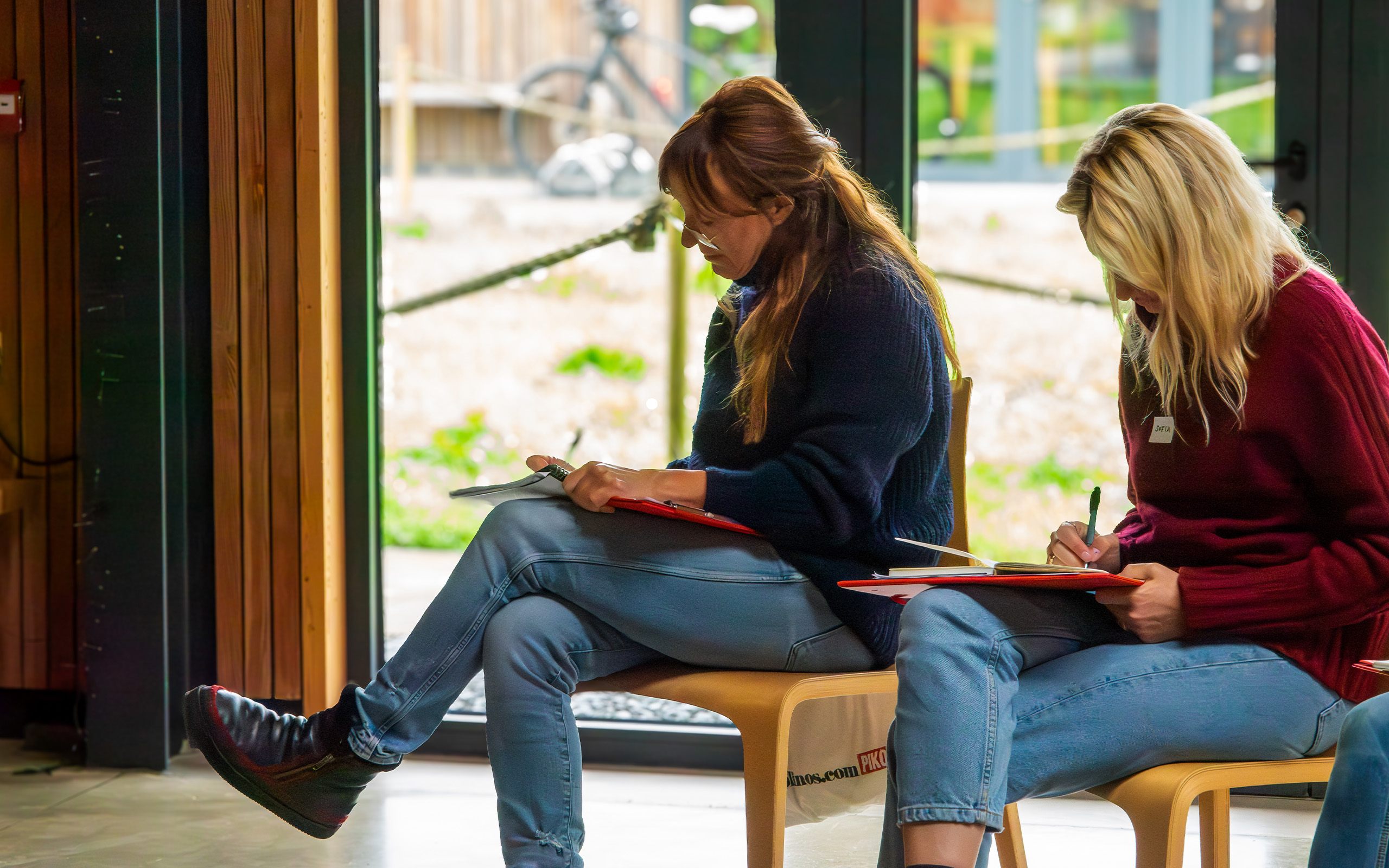
Together, Shila Brown and Emily Howgate are Muck & Magic, leading courses on permaculture to show ‘sustainably-minded’ people how to apply nature's patterns in their own spaces and in their own lives to gain a sense of agency and hope.
The two met while on a permaculture design course in the Cotswolds. Emily’s background is rooted in ecology, conservation and sustainable food movements while Shila’s is in community engagement and development. They instantly connected through a shared passion for the ‘sheer joy of land that buzzes with life and is filled with beauty and bounty’ and a keenness to engage others through mentoring, consulting and teaching.
‘I still blend my work as a permaculture teacher with being a sustainability consultant,’ explains Emily. 'I’ve done a lot of work with supply chains, particularly the seafood industry, helping retailers and chefs make sourcing decisions that are better for people and the planet. There’s a lot of change to be made through this market-based action. But I trained as an ecologist because I have a deep love of nature and I'd become quite removed from the natural world because I spent so much time behind a laptop - while this is a necessity for project management I knew I needed to re-ground myself. Permaculture has helped me come back to what it was that had got me into this work in the first place.’
It’s a sentiment that will resonate with many. But what is permaculture and how can it help?
‘Permaculture is a rather ephemeral term,’ Emily says. ‘I compare it to yoga, in that it can take many guises, one person's yoga is dynamic stretching and another person's is centred around breath-work. It can all be yoga, but it's different forms.’
For Emily and Shila, permaculture is very much about ‘learning how nature works and using patterns from nature to design our lives and work and communities. I think people often perceive it's a version of organic gardening - and that can be a gateway for people,but in the courses we’ve led we’ve found that the principles of how nature works apply to much wider aspects of our lives. Using permaculture principles can help us get more out of our gardens and outdoor spaces in terms of joy and productivity but it doesn't stop there.’
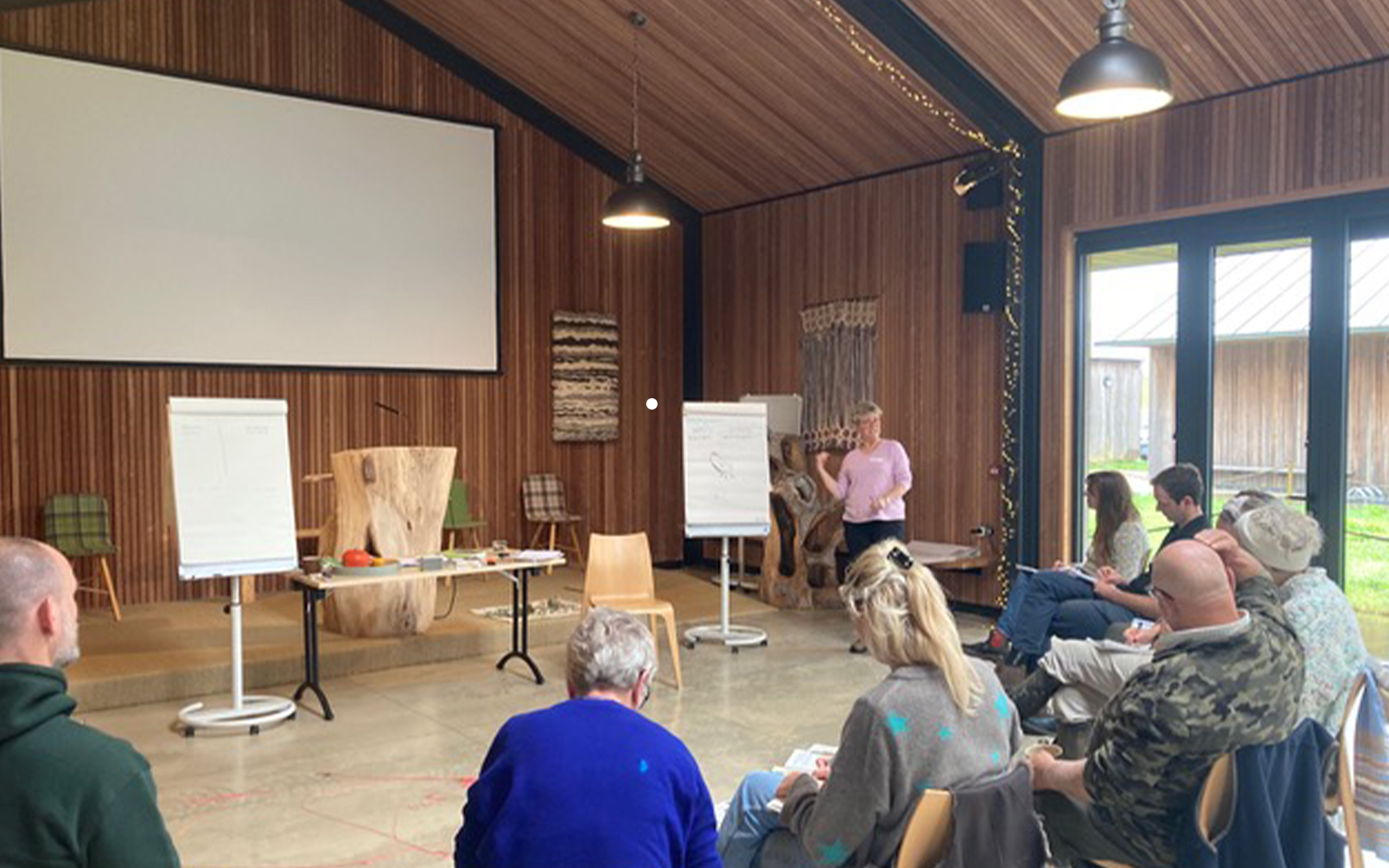
Emily says that many students find this the most surprising and exciting part of Muck & Magic courses. ‘They come thinking ‘how might I apply this on my balcony or in my garden or small-holding’ but then they realise they can apply it to how they engage in daily life, to connectivity with their community.
‘There’s a sense of freedom and release of overwhelm when we recognise,’I don't have to carry it all and try and do it all solo’,’ Emily says. ‘There’s a lot that can come from connecting with the local community garden, the allotment group, with neighbours.’
One of the most important things that Shila and Emily teach is to notice what’s going on around us, to open our eyes to the benefits that are already present in a space or land system. Emily gives an example.
‘I had a client who was keen to grow more but there was an awful lot of brambles around her land. We humans often use terms like ‘overgrown’, and her first thought was to clear them, but when we looked at her garden in the context of the wider landscape we noticed that there were a lot of deer, and the brambles were acting as a barrier to stop them getting into the space and eating the veg’ crops. It’s about noticing and making smarter decisions about where to apply your effort. Nature doesn't like to waste energy so we look at ways to cycle and capture as much energy in the system, and our human energy is part of that too.’
The course in May is a two-day Introduction to Permaculture. The later course is around building resilience. Both are aimed for anyone who is interested in the natural world, ‘Some people might own land, some might have a small domestic garden, some might just have a balcony. From keen amateurs to land professionals who want to tap into the smarter way that nature does things, everyone will go away refreshed, with practical ideas of how to apply nature's patterns in their own spaces and in their own lives,’ Emily says.
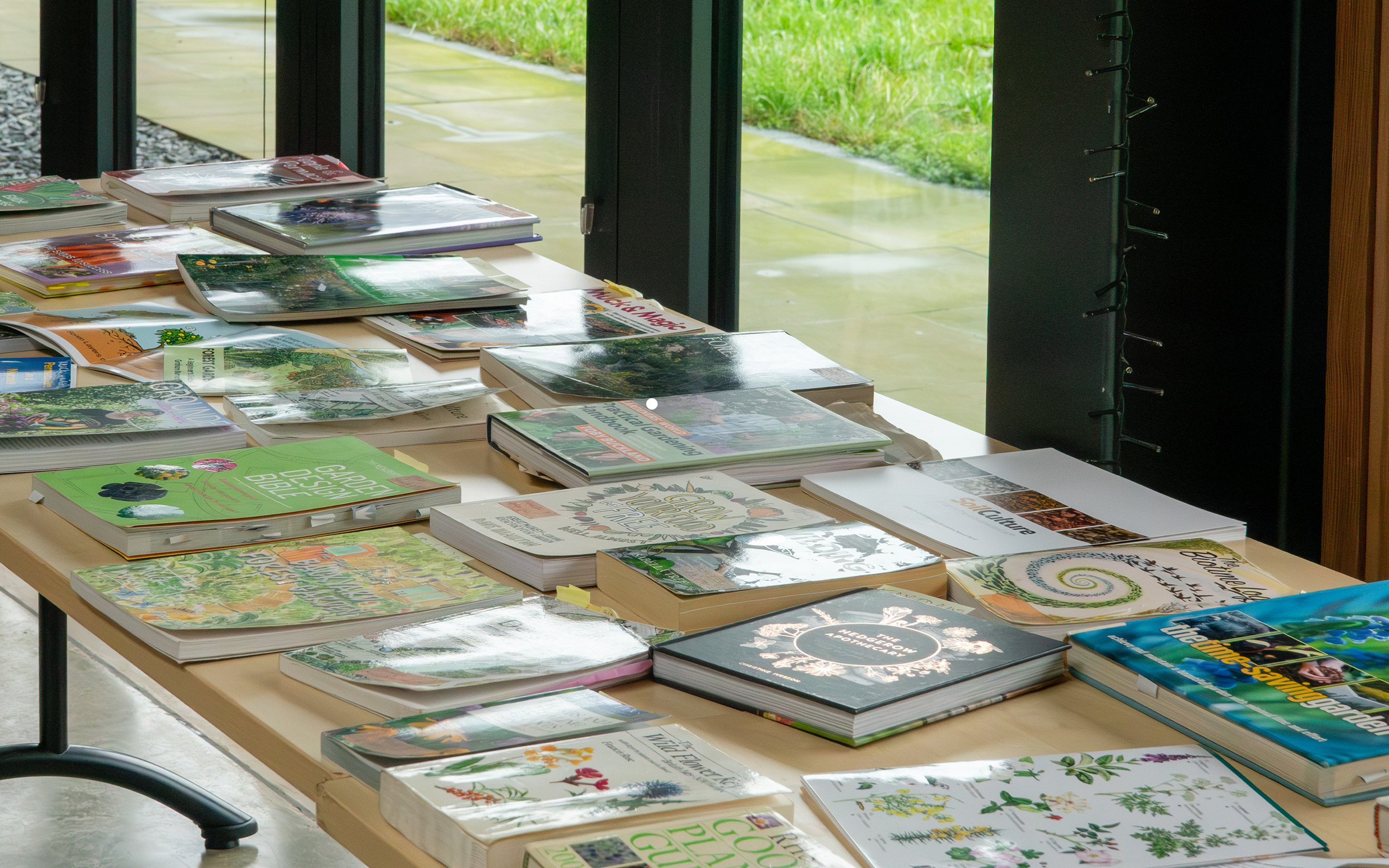
The introduction course is certified, so participants gain a certificate from the Permaculture Association of Great Britain to evidence their personal and professional development. Also valuable are the connections they gain to like-minded people and networks, through which they can deepen learning and practice.
There’s a focus on practical skills, like understanding how to balance your composting system or working with companion planting or capturing water in the system - but the bigger takeaway for people is ‘a sense of deeper individual and collective resilience. We’re in this together, and we can do something that's useful. It’s an antidote to the sense of overwhelm, resignation or burn-out that people can feel. The courses offer a sense of rejuvenation. We are active participants in the world around us and nature is actually supporting us, we're not alone in it… It’s always surprising, the extent to which that shines through!,’ Emily says.
‘In the midst of a climate crisis and biodiversity crisis and geopolitical shifts, people often leave our courses with a sense of calm and hopefulness about the simple but really meaningful ways that they can take action in their daily lives, not just alone, but by being part of a wider web of practitioners.’
Upcoming courses:
Introduction to Permaculture (Two day course) - Wednesday 13th & 14th May 2026
Building Resilience with Permaculture - Thursday 9th July 2026
Recent news items