

Spring 2026 Update from CHCx3 Fieldwork at FarmED
Jun 01, 2026
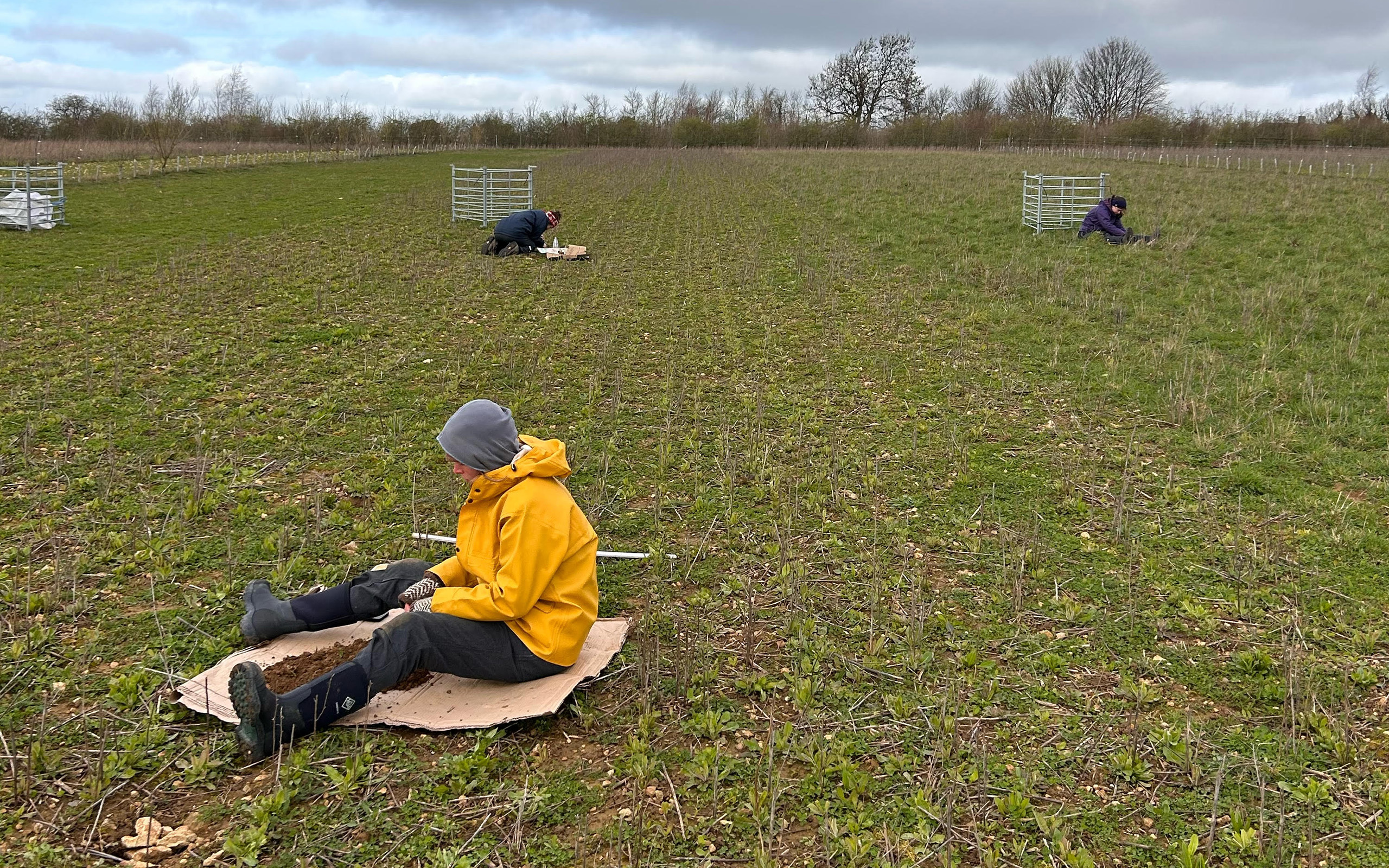
Visitors to FarmED are often curious to see scientists around the fields, armed with spades and various sampling and measuring tools, digging holes in the soil. They are part of the Centre for High Carbon Capture Cropping research project (CHCx3 for short). Reducing greenhouse gas emissions and improving resilience to extreme weather, are global challenges for farming and land management that have been particularly front-of-mind during the heat waves and drought this summer. The CHCx3 scientists are researching crops and farming systems that may increase carbon capture and could help farming and associated industries address climate change.
FarmED and Cotswold Seeds are proud to be associated with this vital project and every quarter we will share an update from CHCx3 soil scientist, Jed Soleiman.
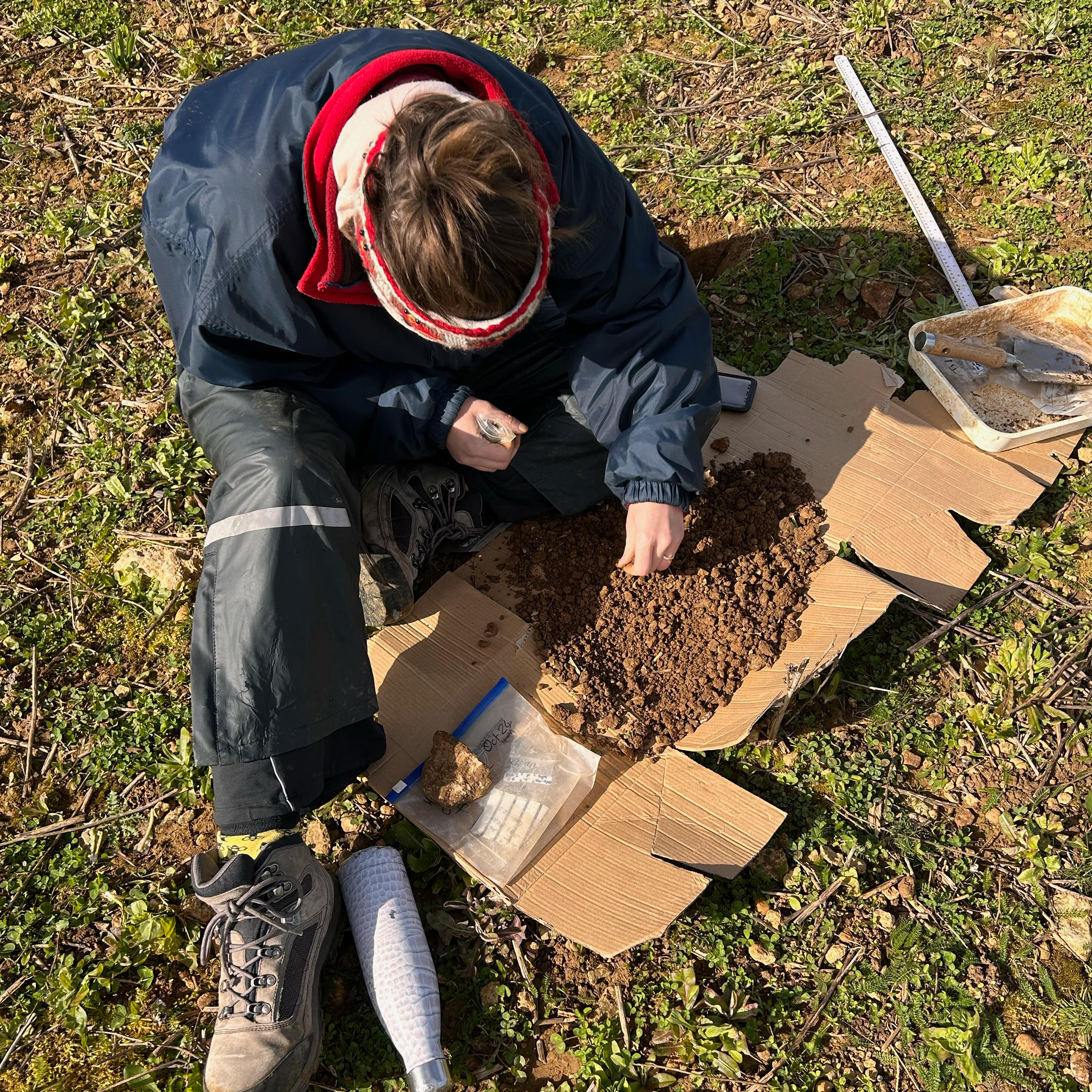
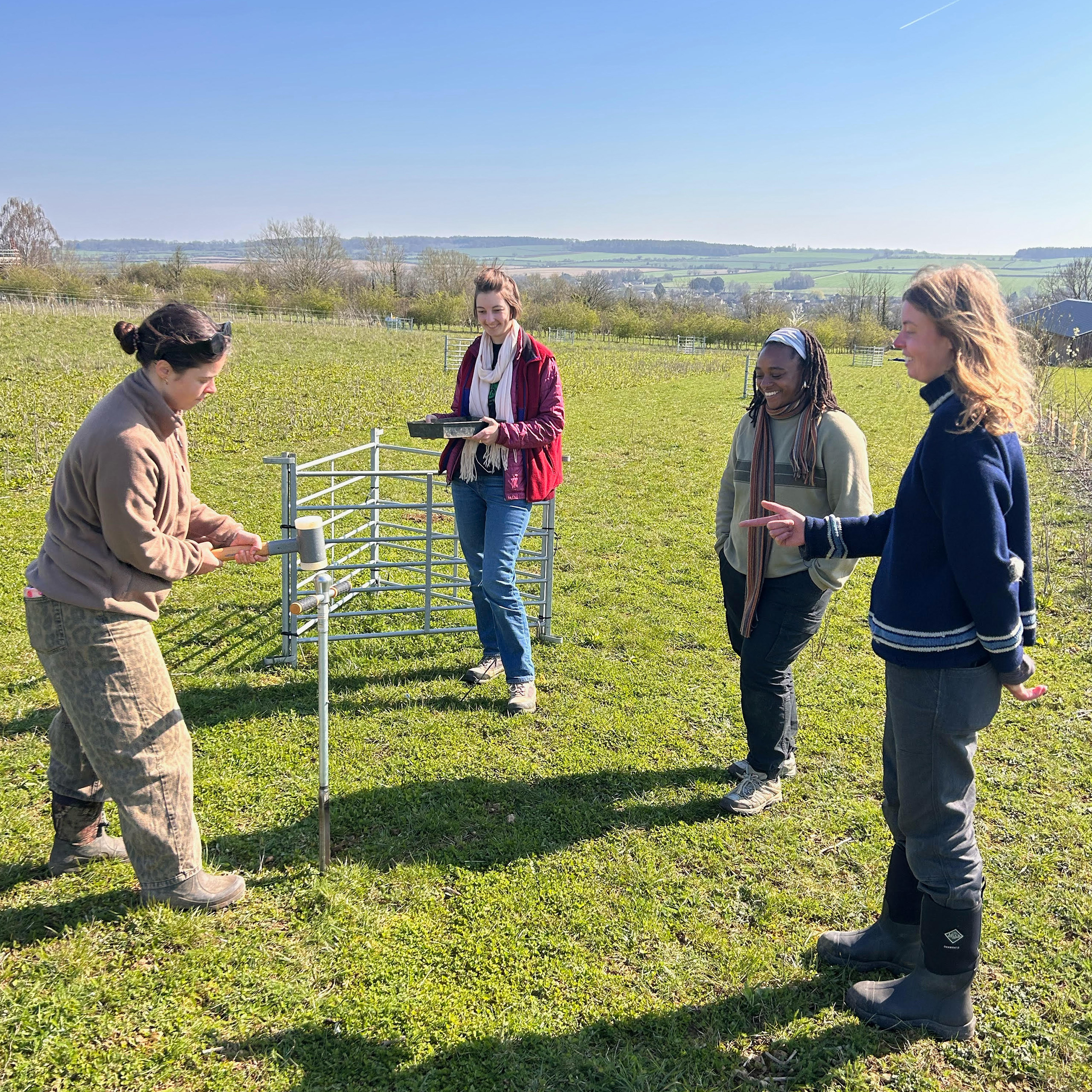
Spring Fieldwork 2026: Our spring fieldwork for 2026 has now been completed at FarmED! This adds another series of data to our dataset, helping smooth out some of the environmental noise that can cloud results when working in situ. We hired four new assistants who were then fully trained on the project and its sampling activities. By extending opportunities to young people interested in the sector, we hope to demonstrate there are alternative careers on the land and provide experience to help them with their next step.
Pits were dug, roots collected, biomass cut and soil scored and sampled before we headed to the University of Oxford’s GEOLABs to process all the collected material.

Final data analysis and paper writing: Previous data collected on site is now being written and finalised into a journal article for submission. We hope for this to be freely available online and for the insights to be incorporated into farming and nature recovery projects. When available, publications will be attached to quarterly reports for further dissemination.
Data repository creation: We have been working hard on creating a data repository to ensure all the data and insights we are generating are safely stored and available for ongoing dissemination after the project ends. To do so, we have been looking at all the existing data we hold so far (for projects past and present) and begun to understand the needs and structure of a database that can securely hold this data. We’re also actively planning for future projects. We’ve been working in conjunction with Tim Dart and Work Package 6 to bring this together.
Knowledge Sharing: Jed gave a talk to the Oxford Real Farming Conference (ORFC) about the project and was featured in the closing plenary as a highlight of the Conference. Jed also gave an online talk about the work at FarmED to Emergent Generation, the network of young people interested in food, farming and nature. Jed spoke about the data we now have that supports herbal ley integration into regenerative arable rotations, as well as the exciting implications this could have for farming in the UK and beyond. We hope to interact further with the group and be able to hold more sessions such as these to show this exciting work and also encourage others to enter the field and try research!
We will be preparing for many opportunities for dissemination, with the pre-cereals day planned for FarmED, and Jed having a dedicated slot at Groundswell to share his research so far. We will also be working to bring all our data together to begin planning a report of all the work completed by Cotswold Seeds at FarmED across the project.
Jed is continuing to work with Work Package 6 to consolidate data, writing papers to submit to journals, working with the project team to create a winter event and starting to produce a Crop Guide.
Recent news items