

Q&A with Frank Ashwood
Sep 01, 2026
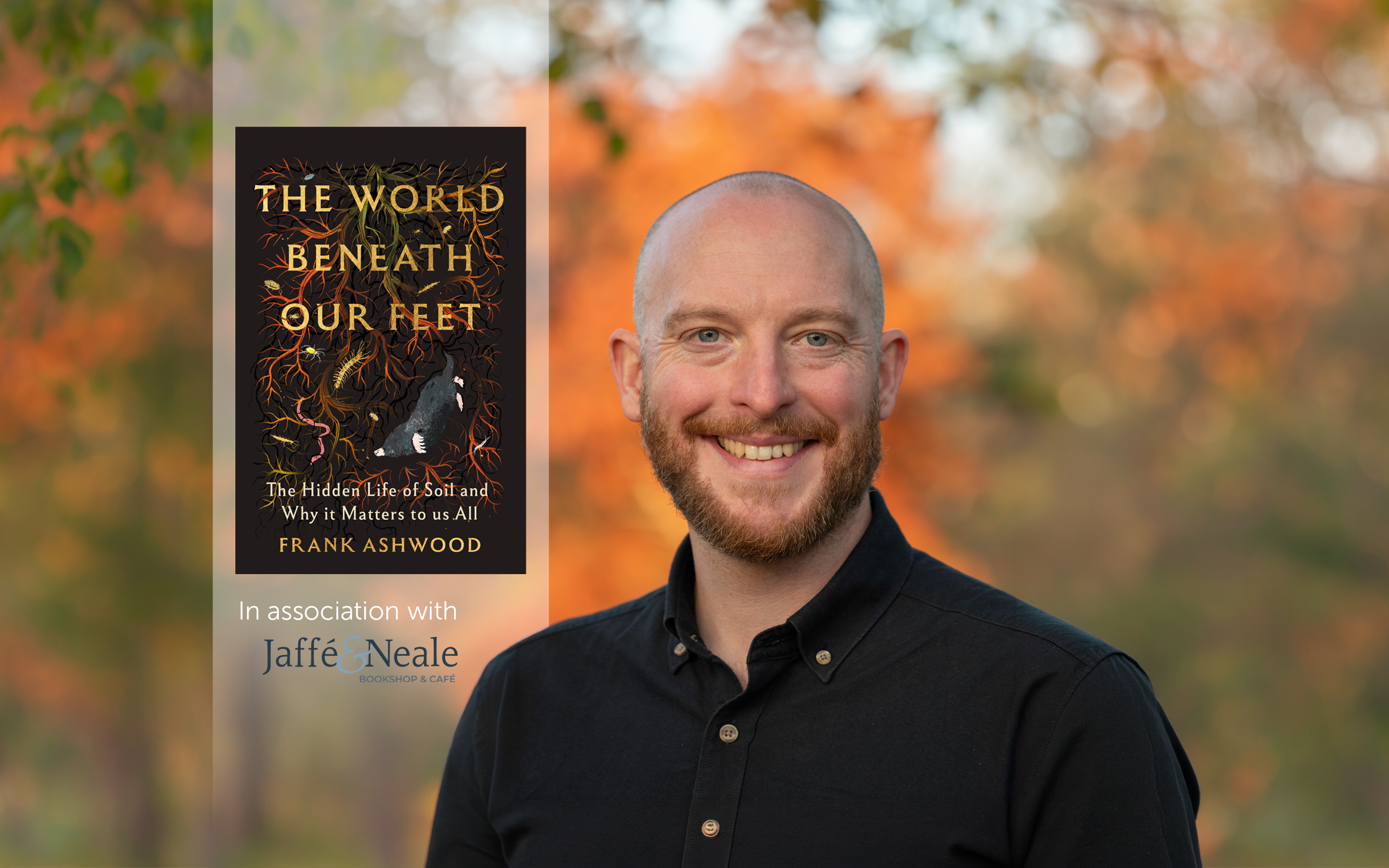
Soil ecologist, macrophotographer and author of The World Beneath our Feet, Dr Frank Ashwood took time out from his UK tour to answer a few questions about his favourite subject, and ours…soil!
Frank has travelled from New Zealand to Britain to launch his new book which opens our eyes to the hidden, wondrous world of soil and invites us all to play a part in protecting it for future generations. He will be speaking at FarmED on 10th September and you can grab a ticket from the FarmED website. In the meantime, read on to discover Frank’s favourite soil dweller, why soil is so important, the key differences between UK and NZ soil and more.
What are you most looking forward to about this trip to England?
I’m from England but I don’t get to come back often (it’s a long and expensive flight), so it’s really nice for me to come back for this book tour and to visit friends and family.
How does British soil differ from NZ soil - if indeed it does?
New Zealand’s soils are a lot more variable than the UK’s and can be deficient in important nutrients like phosphorus. This is due to their origins: they are either ancient, deeply weathered soils or are quite recently developed from volcanic ash and rock. The UK’s soils tend to be more fertile and less variable by comparison.
What is your favourite creature that lives in the soil and why?
Earthworms are my original love, because I studied them for my PhD and they are so important for soil health. However, I also have a huge soft spot for some of the unique soil animals that live in New Zealand, such as giant springtails and velvet worms. They are strikingly beautiful soil animals, looking like nothing else on Earth.
Who will enjoy reading your book?
My book is written for a broad audience, because I want anyone to be able to pick it up and find it enjoyable and accessible. With that said, I think readers with an interest in nature, soil, gardening or farming will find it particularly interesting.
Why might farmers enjoy reading your book?
In my experience, farmers tend to be very interested in the biology of their soils, but don’t always have the time, resources or guidance to investigate it fully. This book provides a window into the lives of the creatures living in their soils and their importance for soil fertility and plant growth. In fact, Chapter 3 specifically discusses both positive and negative farming practices for soil and its biodiversity.
Why might gardeners enjoy reading your book?
Similarly to farmers, gardeners tend to really care about the life in their soil. Gardens can be incredibly biodiverse from a soil perspective, if they are managed correctly. The final chapter of this book sets out many suggestions for improving the soil biodiversity of your garden.
In one sentence, why is soil so important?
It sustains all terrestrial life on our planet, including humanity.
Are you worried about the recent droughts we've had in the UK and their impact on soil health and the health of the creatures that live in the soil?
The short answer is yes; the recent droughts are very troubling for the health of the UK’s soils. If extensive summer droughts become a regular occurrence, drought-sensitive soil creatures such as earthworms will be severely affected, and our soils will be more vulnerable to erosion.
What can we all do to care for our soils?
It really depends on where and what your soil is! A few general rules would be to reduce how much you disturb the soil, make sure organic matter is regularly added, and try to avoid bare ground (preferably by using long-term plant cover).
Info and booking for Frank’s event at FarmED, click here.
Recent news items